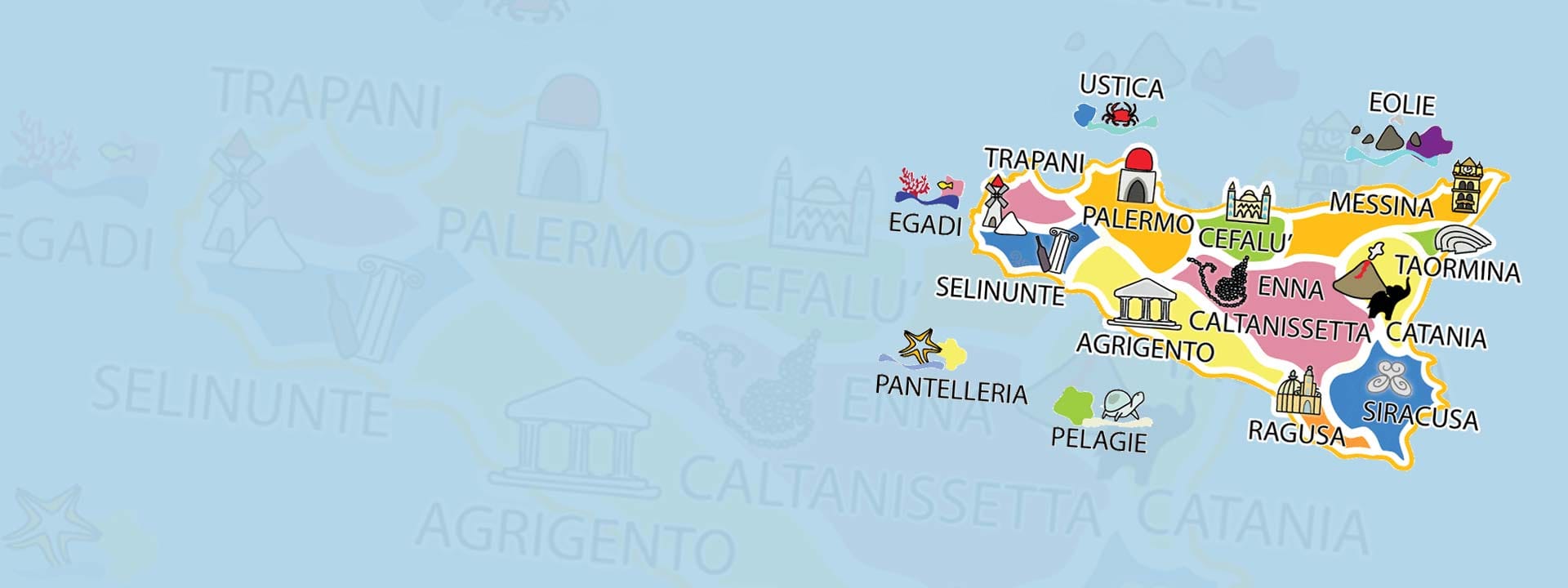
Discover Sicily
About Sicily
A Land of Stunning Landscapes. Sicily travel guide.
Sicily is an island of contrasts, where lush green pastures meet the deep blue Mediterranean, and volcanic slopes give way to pristine beaches. From the rugged beauty of Mount Etna, Europe’s highest active volcano, to the brilliant white almond blossoms dotting the winter landscape, Sicily offers an ever-changing panorama.
This Mediterranean gem allows travelers to journey from towering mountains to secluded sandy coves in just a few miles. Whether you’re exploring dramatic coastlines, rolling countryside, or hidden lakes, Sicily’s landscapes are nothing short of breathtaking.
The landscape of Sicily
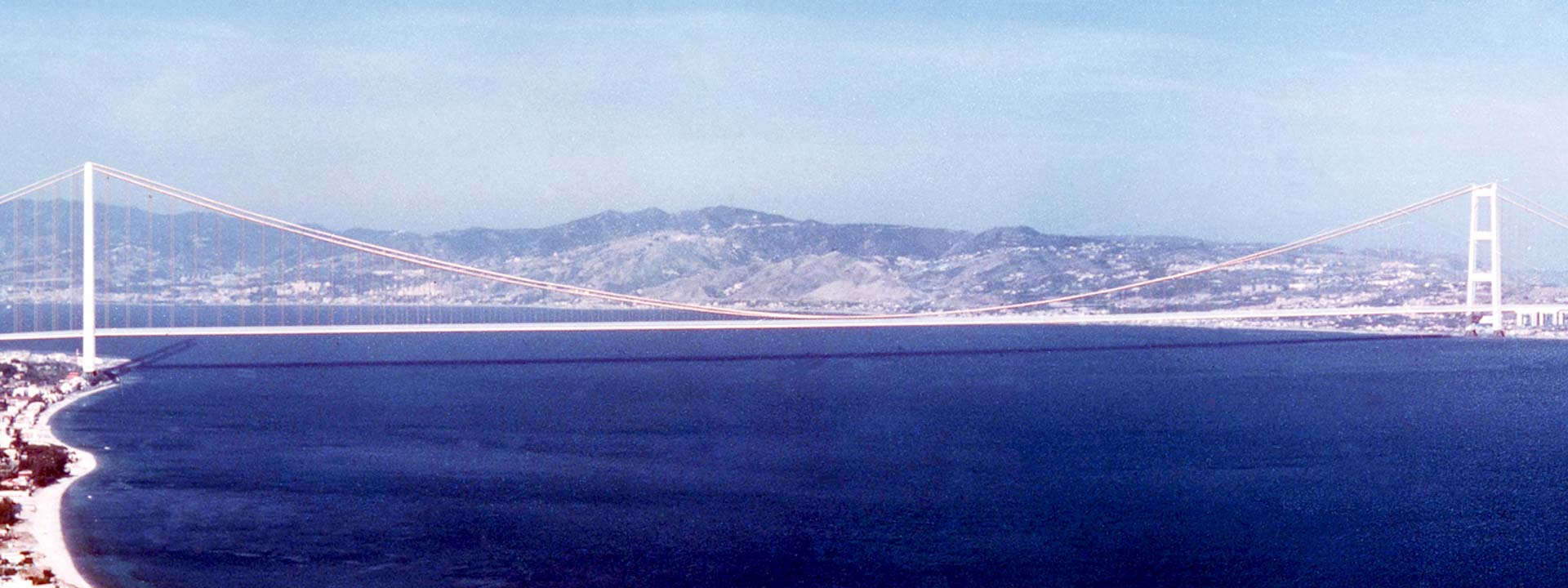
Sicily is the largest island in the Mediterranean, covering 25,709 km² (9,926 sq mi). Separated from mainland Italy by the narrow Strait of Messina (just 3 km at its widest point), the island lies 140 km from the North African coast.
Triangular in shape, Sicily’s coasts face different seas: the Tyrrhenian to the north, the Sicily Channel to the south, and the Ionian to the east. Historically, the island was divided into three large regions: the Val di Mazara in the west, Val Demone in the northeast, and Val di Noto in the southeast.
Sicily’s diverse coastline
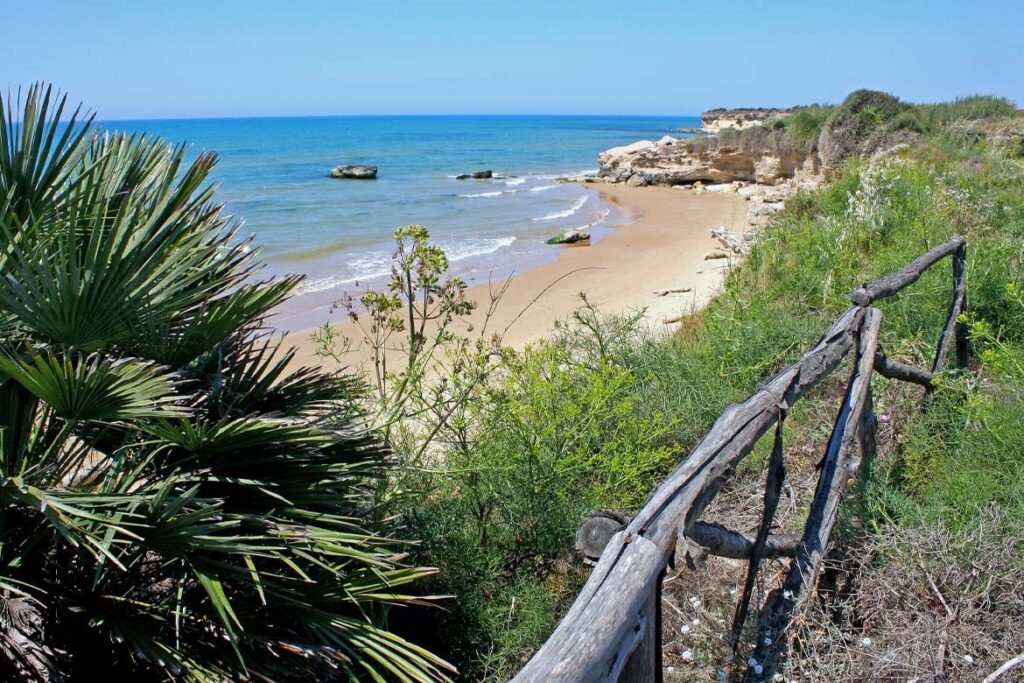
Stretching over 1,000 km, Sicily’s coastline is a mix of towering cliffs, sandy beaches, and tranquil coves:
- Northern Coast (Tyrrhenian Sea): From Cape Peloro (near Messina) to Cape Lilibeo (near Marsala), this area is characterized by rugged, high cliffs plunging into the sea.
- Western Coast: Between Trapani and Marsala, the landscape flattens out, dotted with historic salt pans.
- Southern Coast: Predominantly flat, offering long stretches of golden sandy beaches.
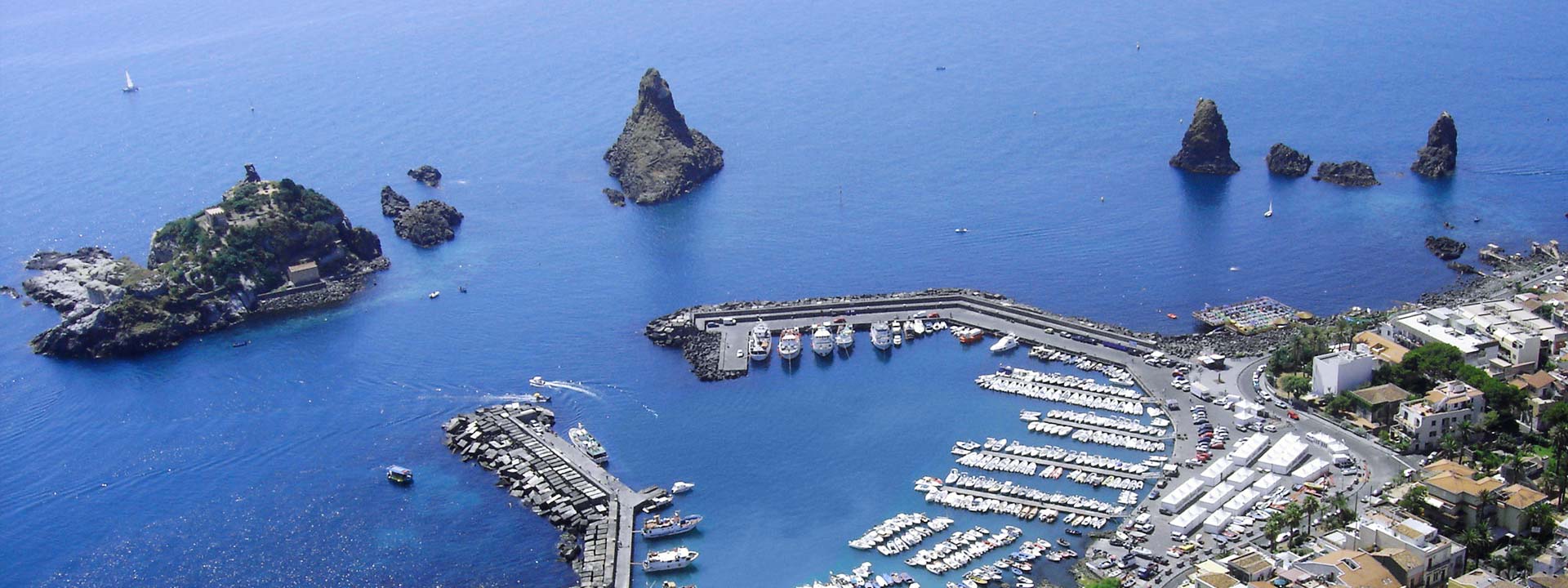
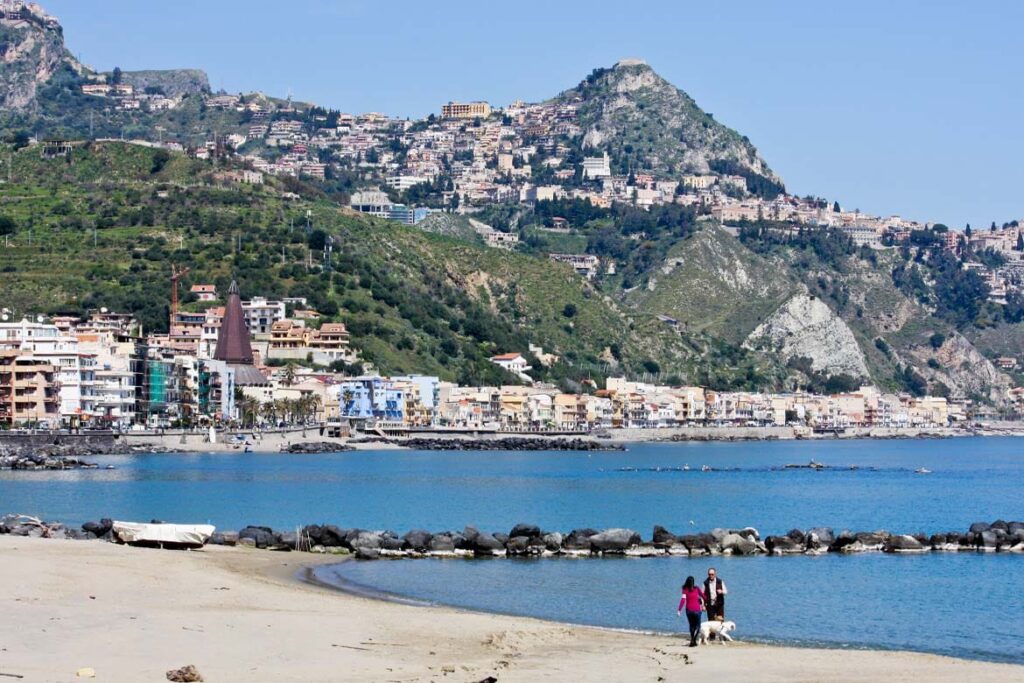
- Eastern Coast (Ionian Sea): Home to three wide bays—the Gulf of Noto, the Gulf of Augusta, and the Gulf of Catania—this coastline is framed by Mount Etna’s dramatic black lava flows. North of Catania, near Taormina and Acireale, steep limestone cliffs create breathtaking views.
A natural paradise: Sicily’s flora and fauna
Sicily offers a feast for the senses throughout the year:
- Winter: Almond trees bloom, adding a touch of white to the landscape.
- Spring: Yellow mimosa trees and vibrant oleanders flourish, filling the air with the scent of orange blossoms.
- Summer: Bright bougainvillea and scarlet hibiscus dominate the scenery
Each region boasts unique plant life, from the cork forests of Niscemi to the papyrus plants along the Ciane River near Siracusa. The rare manna tree, grown in the Madonie region, adds to the island’s botanical diversity.
Sicilian lakes: hidden gems
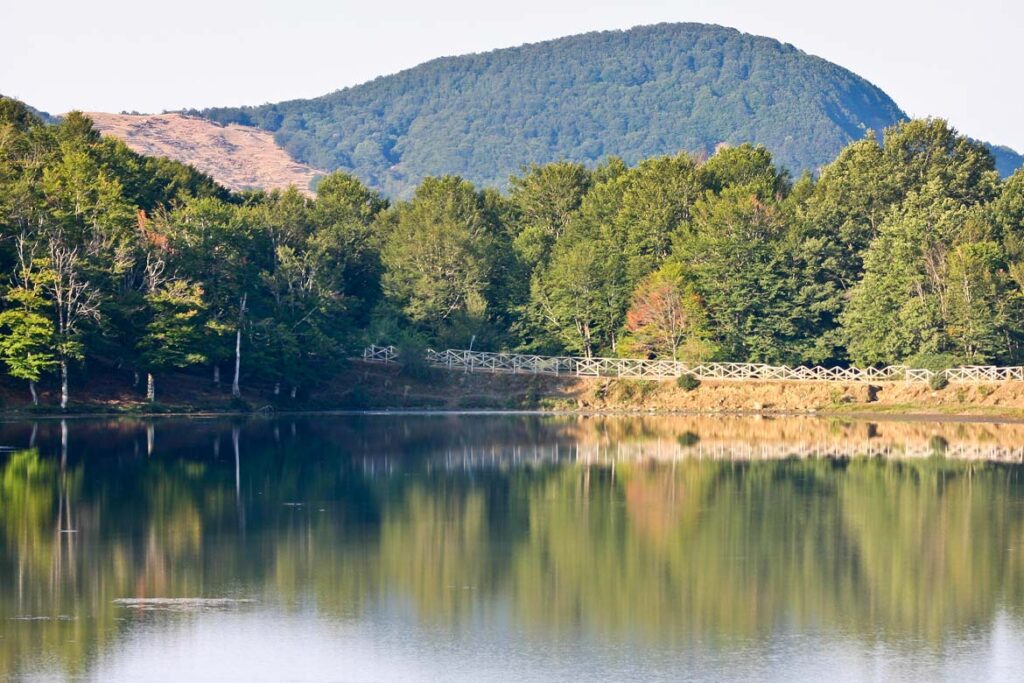
Unlike mainland Italy, Sicily has very few natural lakes. The only exception is Lago di Pergusa, a rare natural lake near Enna, rich in mythology and biodiversity. However, the island is home to several artificial reservoirs nestled among the mountains, offering serene landscapes and opportunities for outdoor activities.
Explore the beauty of Sicily
From towering cliffs and volcanic peaks to rolling hills and sandy shores, Sicily’s landscapes offer something for every traveler. Whether you’re an adventurer, a nature enthusiast, or simply seeking relaxation, this Mediterranean paradise promises unforgettable experiences.